
Shivering on a chairlift is miserable, which is why finding the **best ski jackets** is essential for your comfort. You deserve waterproof gear that keeps you toasty while you conquer the slopes. We found the top insulated options to ensure you stay dry and stylish all day long. Stop guessing and start shredding with these twelve incredible picks for your next winter adventure.
Contents
12 Best Ski Jackets
1. Wildhorn Dover Waterproof Men’s Ski Jacket
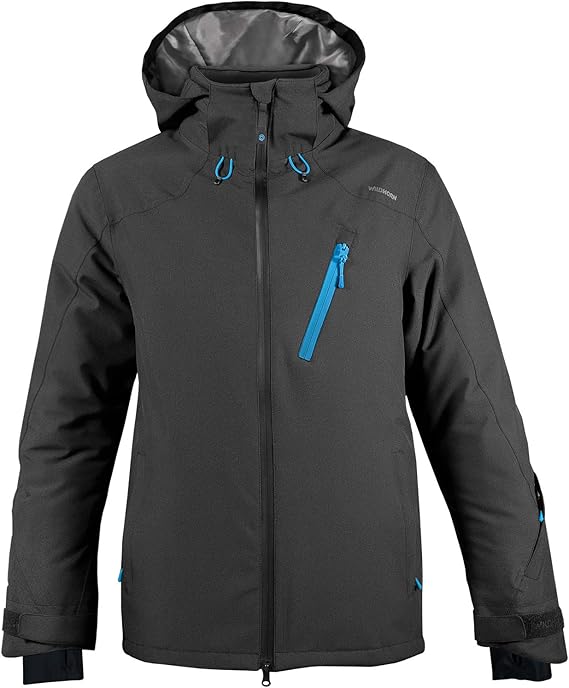
Skiers who desire true mountain performance without compromising comfort are the target market for the Wildhorn Dover. Its Dupont DWR coating, taped vital seams, 2-way stretch shell, and 12k waterproof rating let heat to escape while keeping snow, sleet, and slush out. You can keep active on the chairlift and in the trees thanks to a 100g insulated body and 80g in the hood and sleeves that provide warmth without adding bulk. You have a feature-rich jacket that is prepared for serious resort days when you add a hood that fits over a helmet, underarm vents, and lots of pockets.
2. THE NORTH FACE Men’s ThermoBall Eco Snow Triclimate Jacket

North Face’s renowned 3-in-1 idea is enhanced for cold, stormy days with the ThermoBall Eco Snow Triclimate. During lengthy runs and traverses, a DryVent 2-layer shell on the outer prevents wind and moisture while maintaining breathability. Inside, a detachable ThermoBall Eco insulated jacket uses lightweight synthetic “down” that retains heat even in damp conditions. Additionally, you receive a powder skirt, pit zips, a helmet-compatible hood, and pockets for goggles and other necessities. You can essentially have a whole winter quiver in one jacket if you wear the shell, liner, or both, depending on the conditions.
3. Helly-Hansen Alpha 3.0 Jacket for Men

Serious skiers trust the high-end, resort-focused Helly Hansen Alpha 3.0 jacket. To keep you dry while you move organically uphill, it employs a four-way stretch HELLY TECH shell with a long-lasting water-repellent finish. Targeted insulation zones keep your core warmer where it matters most, while PrimaLoft insulation provides cozy warmth with little bulk. A snap-away powder skirt and underarm vents allow you to customize protection and airflow, while the well-known Life Pocket keeps phone batteries safe from the cold. This is the perfect high-end jacket if you’re looking for something refined, technical, and quick.
4. GEMYSE Men’s Ski Snow Jacket Warm Winter Waterproof Coat
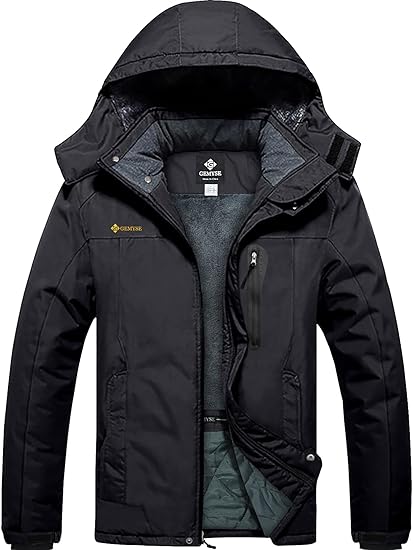
Built for hard winter days, the GEMYSE Men’s Ski Snow Jacket is an affordable beast. To keep you warm and safe on the slopes, trails, or in town, a thick fleece lining combines with a sturdy, wear-resistant outer shell. Together, the storm hood, adjustable cuffs, and waterproof covering prevent sloppy chairlift rides and snow and wind. You can safely store your phone, gloves, and food in the numerous zip compartments, keeping everything close at hand. For the price, you get dependable weather protection, significant warmth, and everyday winter versatility—it’s not a showy logo piece.
5. INVACHI 3 in 1 Ski Jacket Men Waterproof Coat

Versatility is key to the INVACHI 3-in-1 Ski Jacket’s ability to adapt to shifting winter conditions. You may wear each piece separately or together because it has a removable insulated inner jacket and an outer shell that is windproof and water resistant. The inner layer provides comfortable warmth for genuine mid-winter periods, and the shell’s drawcord hem, storm hood, and adjustable cuffs aid in blocking cold air. Your phone, wallet, and trail munchies are kept safe in the numerous pockets both inside and out. This system adapts to your day without requiring many distinct layers, whether you’re walking the dog, carving groomers, or traveling in ice conditions.
6. CAMEL CROWN Men’s Winter Waterproof Ski Snow Jacket
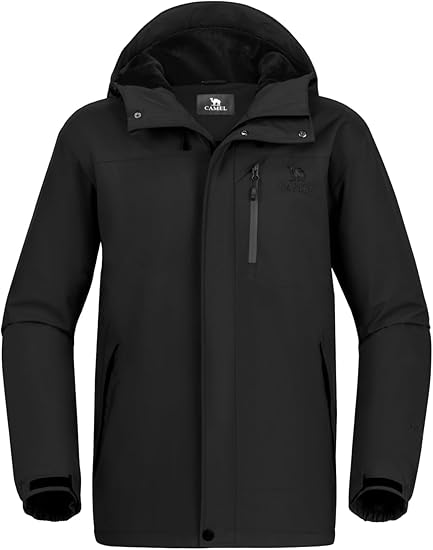
The CAMEL CROWN winter ski jacket is designed to be a durable, everyday mountain partner. The plush fleece lining keeps you warm on chilly chairlifts, while the waterproof, windproof polyester shell protects you from snow showers and sharp winds. You can alter the fit and keep out drafts as the weather changes with to the drawstring hem, adjustable cuffs, and detachable hood. Your belongings are kept secure and handy with inside storage and zippered hand pockets. It’s a fantastic option if you want a single jacket that won’t feel bulky or constrictive and can be used for everyday cold weather use, winter hikes, and ski excursions.
7. CAMEL CROWN Men’s Ski Jacket 3 in 1 Waterproof Winter Jacket

From gentle spring laps to mid-season storms, the CAMEL CROWN 3-in-1 Ski Jacket is a versatile system. The inside fleece jacket provides significant warmth and can be worn alone, while the outer shell is windproof and waterproof, employing a Teflon-treated fabric to repel snow and light rain. Together, they provide a complete winter setup that is prepared for extended days on the slope. Comfort and convenience are increased by adjustable cuffs, a detachable hood, and several pockets. This combo is a wise purchase if you want a single jacket that can be used for everyday winter wear, travel, and skiing.
8. Columbia Women’s Whirlibird IV Interchange Winter Jacket

The renowned three-in-one women’s ski jacket from Columbia, the Whirlibird IV Interchange, excels in erratic winter conditions. Omni-Tech waterproof and breathable fabric is used in the outer shell to keep out wind and snow while allowing extra heat to escape. Warmth from your body is reflected back to you by a zip-in insulated lining with Omni-Heat reflecting dots. Depending on the activity and temperature, wear the liner, shell, or both. It is genuinely slope-ready with to its powder skirt, underarm vents, hood that fits over a helmet, and several pockets. If you want a single jacket that works for every season, this is a great choice.
9. THE NORTH FACE Men’s Freedom Insulated Jacket
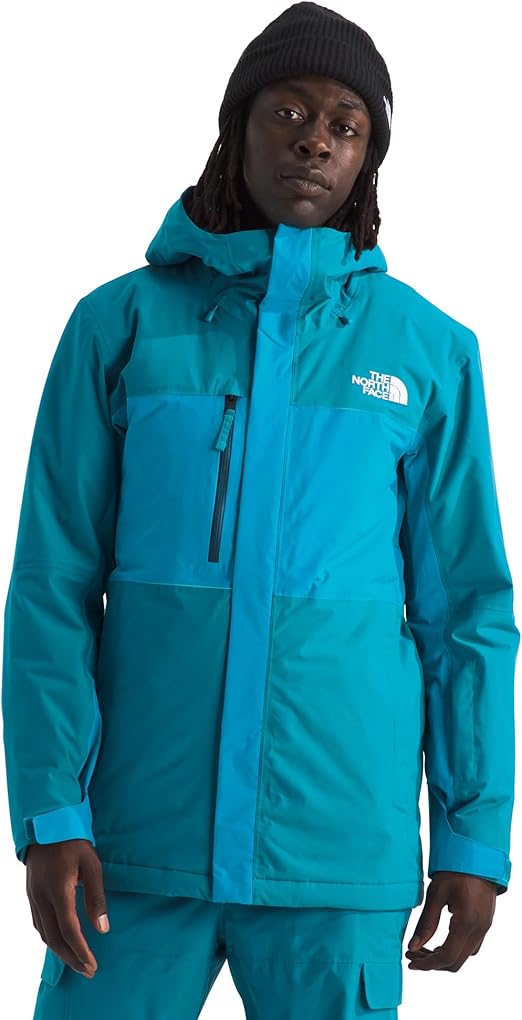
For skiers who love stormy days, the North Face Freedom Insulated Jacket is designed. Heatseeker Eco insulation provides dependable warmth without making you a marshmallow, and it uses a waterproof, breathable shell with a water-repellent finish to keep you dry while you chase fresh lines. You can control the temperature and store necessities with the aid of a powder skirt, pit-zip vents, secure-zip pockets, and a helmet-compatible hood. Whether you’re diving into tree runs or carving groomers, the fit is made to be easily layered and moved. For riders who desire reliable performance every time out, this is a trustworthy all-mountain jacket.
10. OTU Men’s Waterproof Ski Jacket Snowboarding Windbreaker
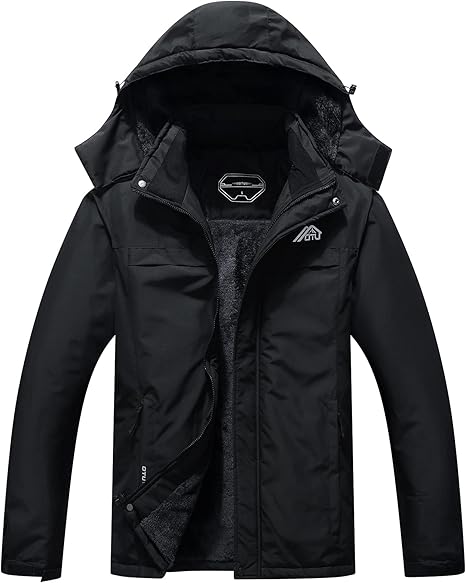
For riders seeking substantial protection at an affordable price, the OTU Men’s Waterproof Ski Jacket is a durable and cost-effective choice. Its windproof and waterproof polyester shell keeps out moisture and cold air when you’re hiking in new areas or using exposed chairlifts. You can tweak the fit and seal in warmth with the help of a drawstring hem, adjustable cuffs, and a detachable hood. Your phone, pass, and other equipment are kept safe in a number of pockets, including chest and inside storage. From ordinary winter use to skiing and snowboarding, this jacket withstands inclement weather without feeling bulky or rigid.
11. Columbia Men’s Point Park Interchange Jacket, Mountain Blue
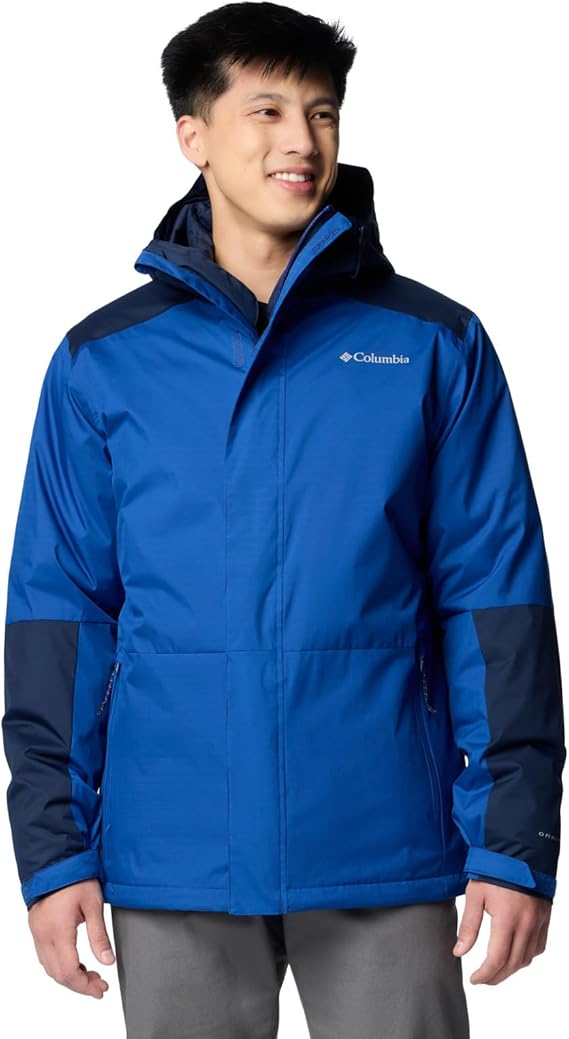
In a sleek, contemporary design, the Columbia Point Park Interchange Jacket offers you traditional 3-in-1 versatility. While the inner insulated layer provides core warmth and can be worn alone in milder weather, the outer shell protects you from snow, sleet, and chilly winds using Columbia’s waterproof, breathable technology. You get a completely winter-ready coat that is perfect for city commutes, snowshoeing, and skiing when you zip it together. Zip pockets protect necessities, and an adjustable hood, cuffs, and hem help keep out drafts. It’s a stylish, multipurpose jacket for those who choose versatility in the face of shifting weather conditions.
12. 33,000ft Men’s Waterproof 3-in-1 Ski Jacket

The Men’s Waterproof 3-in-1 Ski Jacket for 33,000ft is designed to shift with the weather as quickly as it does. With taped seams and weather-resistant zippers, its outer shell is completely windproof and waterproof, keeping you dry in wet sleet or heavy snow. A detachable insulated puffer layer inside provides significant warmth and is also an excellent standalone option for traveling about town. Depending on the activity and temperature, wear the liner, shell, or both. It offers you great value in a single system with plenty of pockets, an adjustable hood, and a snow-ready design that make it comfortable both in the lodge and on elevators.
Things to Consider Before Buying a Ski Jackets
Just assess your typical weather and activity level, because you need appropriate insulation, waterproofing and breathability ratings to keep you warm and dry; fit and layering space affect mobility and heat management, while seam sealing, durable materials and quality zippers determine long-term performance. Consider hood compatibility with helmets, pocket layout for vitals, and adjustable cuffs and hem for a tailored seal. Balance technical features against weight and price to get a jacket that matches your skiing goals.
Insulated Jackets
You’ll pick insulated jackets when sustained cold is your main concern; down with 600-800 fill offers exceptional warmth-to-weight for alpine days, while synthetic (60-200 g fill equivalents) performs better in damp conditions and dries faster, so choose based on how often you expect wet snow and how much packability matters to you.
Shell Jackets
You’ll rely on shells when weather protection and layering flexibility matter most; look for 3‑layer constructions and waterproof ratings in the 15,000-30,000 mm range if you face heavy, wet coastal snow, and prioritize a sealed‑seam, durable DWR and pit zips to manage moisture during exertion.
For technical use, you should evaluate membrane type (GORE‑TEX Pro vs lighter membranes), layer count (2L vs 3L), and features like powder skirts and helmet‑compatible hoods; if you tour, prioritize weight and packability, while resort riders may want thicker fabrics and reinforced shoulders for lift abrasion. The
3-in-1 Jackets
You’ll value 3‑in‑1 systems for seasonal versatility: an outer waterproof shell paired with a zip‑in insulated liner (commonly 60-120 g synthetic or lightweight down) lets you convert between heavy cold and milder conditions without carrying two separate jackets.
When choosing a 3‑in‑1, consider liner insulation weight, compatibility of zips and pockets, and total packed weight-systems often weigh 800-1,400 g combined-and be aware they can be bulkier or less breathable than dedicated single‑purpose pieces. The trade‑off is greater seasonal coverage with one purchase.
Insulation Type
You’ll choose between down (600-900 fill power) for best warmth-to-weight and synthetics like PrimaLoft that retain about 70-80% of loft when wet; down compresses smaller for travel, while synthetics dry faster and perform better in damp conditions. Many jackets specify fill weight (e.g., 60-250 g) or fill power-match that to your typical temperatures and whether you layer aggressively or prefer a single warm jacket.
Waterproof Rating
You should compare hydrostatic head numbers: 5,000-10,000 mm suits light, occasional use; 10,000-20,000 mm fits regular alpine skiing; and 20,000+ mm is for prolonged exposure in heavy rain or coastal resorts. Check for taped seams and durable DWR finishes.
Hydrostatic head is a lab measure and varies with construction: Gore-Tex 2L/3L shells commonly exceed 20,000 mm, while PU-coated shells often fall between 5,000-15,000 mm. Thou should inspect seam sealing (full vs critical), DWR durability (reapply after ~10-20 washes), and hardware placement like pit zips-these practical details often decide on-snow performance more than the headline mm number.
Breathability
You’ll evaluate breathability using MVTR in g/m²/24h-5,000-10,000 is fine for casual rides, 10,000-20,000 fits active resort skiing, and 20,000+ benefits sustained uphill efforts; ventilation (pit zips, long front zips) can dramatically increase real-world moisture transfer. Fabrics such as ePTFE laminates and advanced PU laminates offer different trade-offs between breathability and waterproofing, so prioritize based on exertion level.
Lab MVTR figures depend on test methods and seldom tell the whole story during hard climbs or sprinty laps; combining a 15,000 g/m²/24h shell with open pit zips often outperforms a sealed 25,000 g/m²/24h shell without vents in practice. Thou should also consider base-layer material (merino or synthetic wicking) and jacket ventilation design for effective moisture management on long ascents.
Fit and Comfort
You must try jackets with the layers you plan to wear: a thin base + midlayer for variable days or a fleece for cold tours; ensure sleeve length covers your wrist with arms extended, shoulders allow articulation, and the hood fits over your helmet. Select a cut that matches activity-race/slim for minimal drag, touring/relaxed for extra mobility and layering room (roughly 5-10% more volume).
Pay attention to closures-two-way zips, adjustable cuffs and hem, and a secure powder skirt improve on-snow comfort and snow-shedding. Thou should also weigh jacket mass against purpose: ultralight shells often sit in the 300-600 g range, while insulated alpine jackets typically weigh 600-1,200 g depending on fill and shell robustness.
Consider Your Skiing Style
If you ride powder and big lines you’ll want a longer cut with a powder skirt and higher waterproofing (20,000 mm+), while park riders prefer a shorter, more articulated fit for mobility; touring prioritizes ultra-light 3-layer shells under ~800 g with high breathability and pit zips to shed heat on long ascents, and resort skiers often benefit from midweight insulated jackets for all-day warmth.
Synthetic Fabrics
You’ll see polyester and nylon dominate shells and midlayers, often laminated with membranes like Gore‑Tex or eVent; 2‑layer jackets pair an inner lining for comfort, while 3‑layer constructions laminate membrane and face fabric for durability and lighter pack weight. Synthetic insulations such as PrimaLoft retain loft when wet and cost less than premium down, so you get reliable warmth in mixed conditions and faster drying after a wet day on the mountain.
Natural Fabrics
You’ll encounter down (duck or goose) for peak warmth-to-weight-common fill powers run 600-900, with 800+ indicating premium loft-and occasional wool blends for liners; down compresses small for backpacking and outperforms synthetic for dry cold days, but you should pair it with a waterproof shell or hydrophobic-treated down if you expect wet conditions.
Higher fill power (e.g., 800 vs 600) means more trapped air per ounce, so an 800‑fill jacket can be noticeably lighter and more compressible than a 600‑fill equivalent for the same warmth. You should care for down by fully drying it (dryer with tennis balls on low) to restore loft, and consider hydrophobic-treated down or a reliable shell if you ski in wet, heavy snow to maintain performance.
Maintenance and Care for Your Ski Jacket
You should set a simple upkeep routine to keep membranes, insulation and DWR working: reproof DWR every 10-20 washes or when water stops beading, inspect seams and zippers after heavy days, and repair small tears within 48 hours to prevent moisture intrusion. Track washes and treatments so you know when to reapply protective products or seek professional seam repairs, and avoid fabric softeners and bleach that strip coatings.
To wrap up
Hence you should prioritize fit, insulation level and waterproof/breathable fabrics when choosing a ski jacket; assess how you layer, the jacket’s mobility, sealed seams, ventilation, hood and pocket layout, and the jacket’s weight and durability for your typical conditions. Match features to the climates you ski and your activity intensity-this ensures your jacket supports warmth, moisture management and freedom of movement so you can ski comfortably and safely.
Leave a Reply