
Hunting for the **20 best ski boots** doesn’t have to be a headache. Are you sick of foot agony killing your joy on the slopes? You deserve gear that boosts your confidence, not blisters. We analyzed the market to bring you the ultimate mix of all-day comfort and high performance. Discover the perfect fit that will transform your skiing experience this winter. Let’s find your new pair below.
Contents
20 Best SKI BOOTS
1. K2 Method Pro Mens Ski Boots
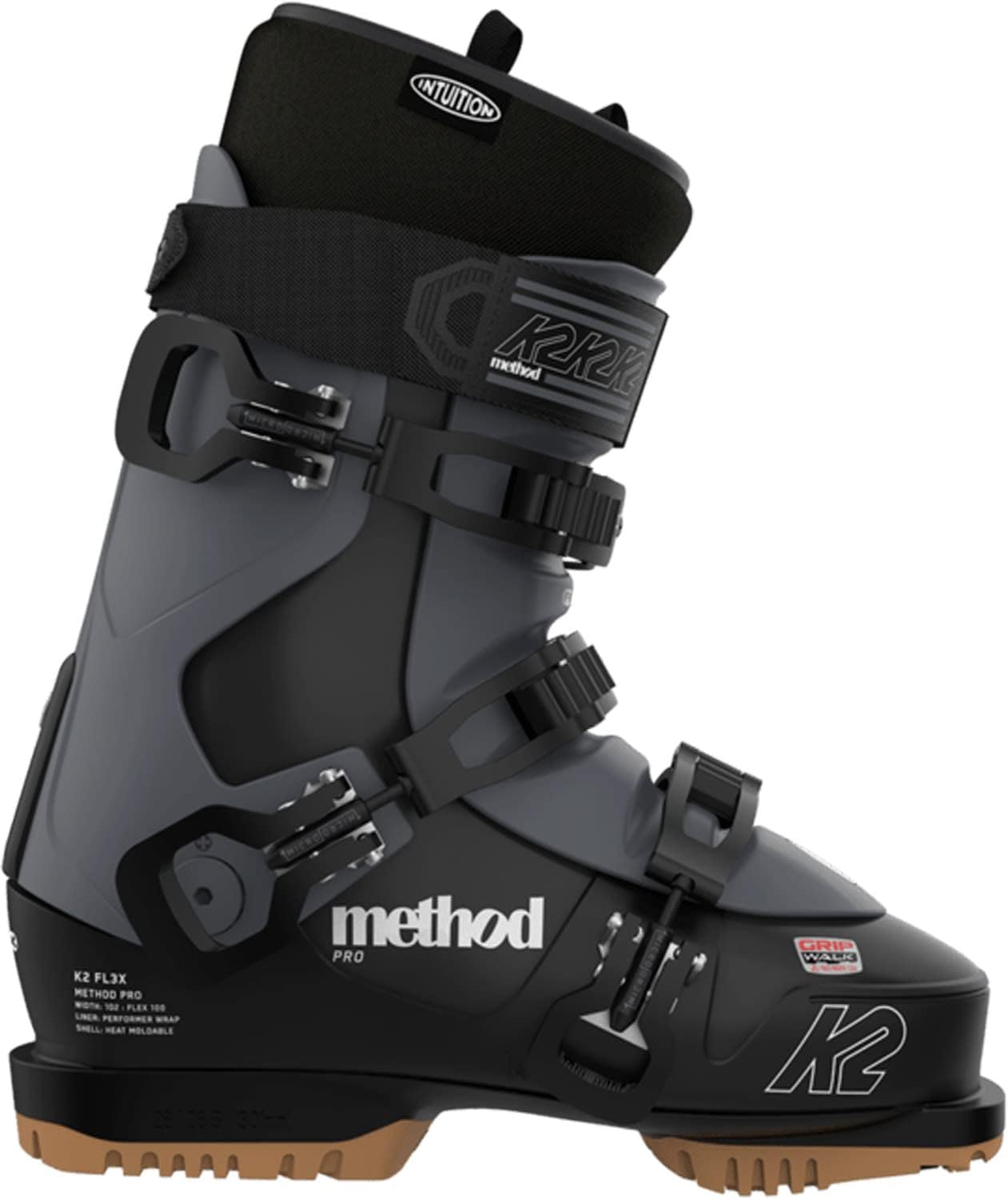
From park laps to side hits, the K2 Method Pro is designed for freestyle skiers seeking a playful boot that’s still got their back. The broad last and progressive flex help you land in comfort, and the heat-moldable Intuition liner wraps your foot for a one-of-a-kind fit. GripWalk soles and a burly three-buckle design make you feel secure whehen playing on rails, jumps, or groomers so you can stay loose and creative all-day long. Ideal for intermediate riders who are dialing tricks and have a stylish approach to their cruising.
2. Tecnica Mach1 MV 120 All Mountain/High Performance Men’s Downhill Ski Boot

Made for advanced skiers, the Tecnica Mach1 MV 120 provides a = powerful, precise feel with which to carve aggressively on steep groomers and chop up afternoon snowfall. A performance fit is ensured by its anatomically shaped shell and C.A.S. liner, which can both be fully customized if needed. A burly 120 flex means quick energy transfer to your edges, and GripWalk soles will let you cruise through the parking lot without slipping around. It’s a great option for hard charging all-mountain riders who don’t want to skimp on power. Perfect for the expert who hates mushy, imprecise boots.
3. K2 Revolve Mens Ski Boots
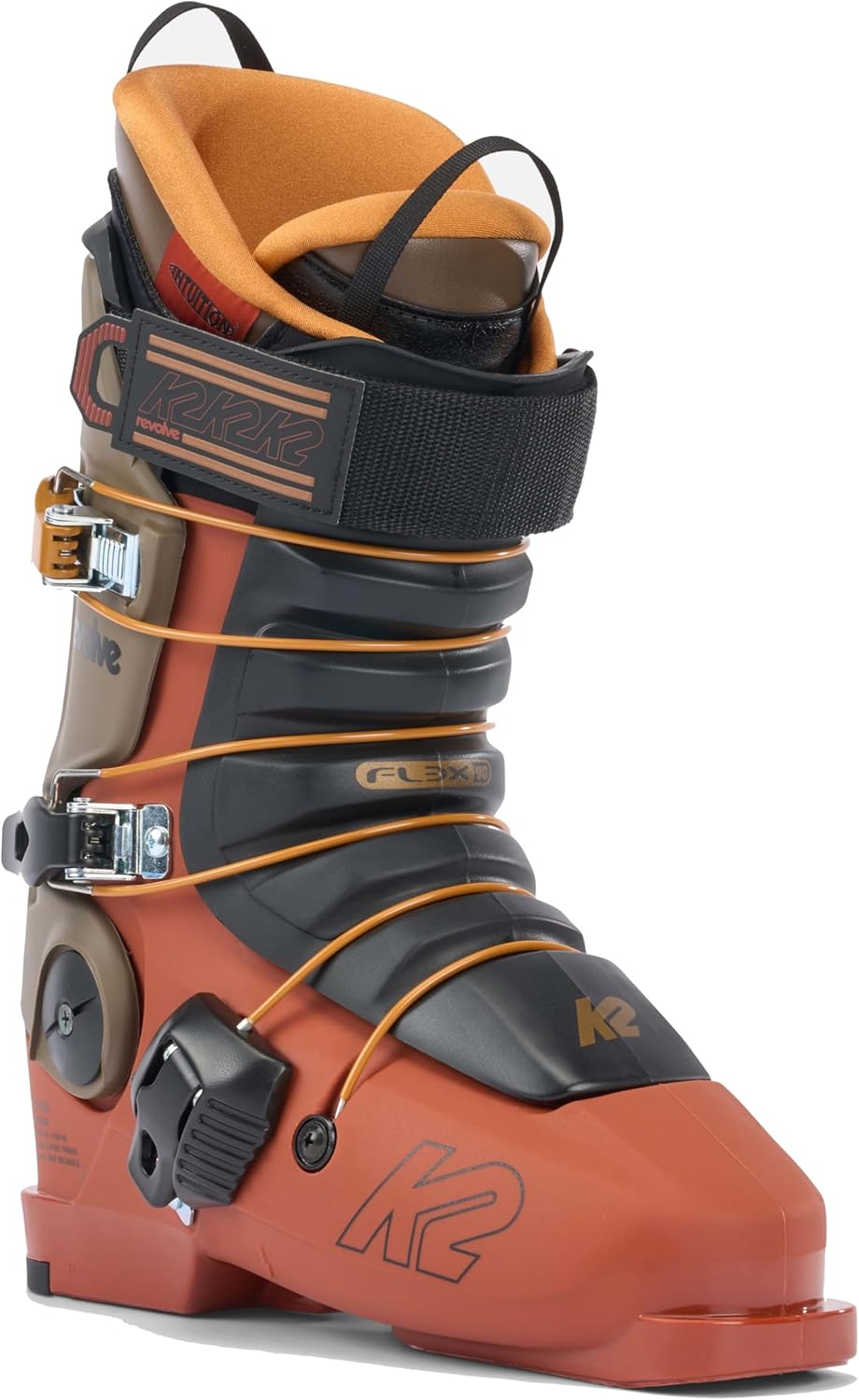
The K2 Revolve is a fresh take on the freestyle boot for those who love the park, but also rip around in every other part of the mountain. Its three-piece shell offers a smooth, progressive flex for soft landings and solid presses, and the Intuition liner can be fully heat molded to your foot for dialed-in comfort. Lightweight construction helps ensure that your kit feels springy underfoot. With ample rebound and shock absorption, it’s ideal for skiers who are stacking lap after lap of spins and butters from first chair while not compromising on comfort for those long days.
4. SCARPA Men’s F1 LT Alpine Touring Ski Boots for Backcountry and Downhill Skiing
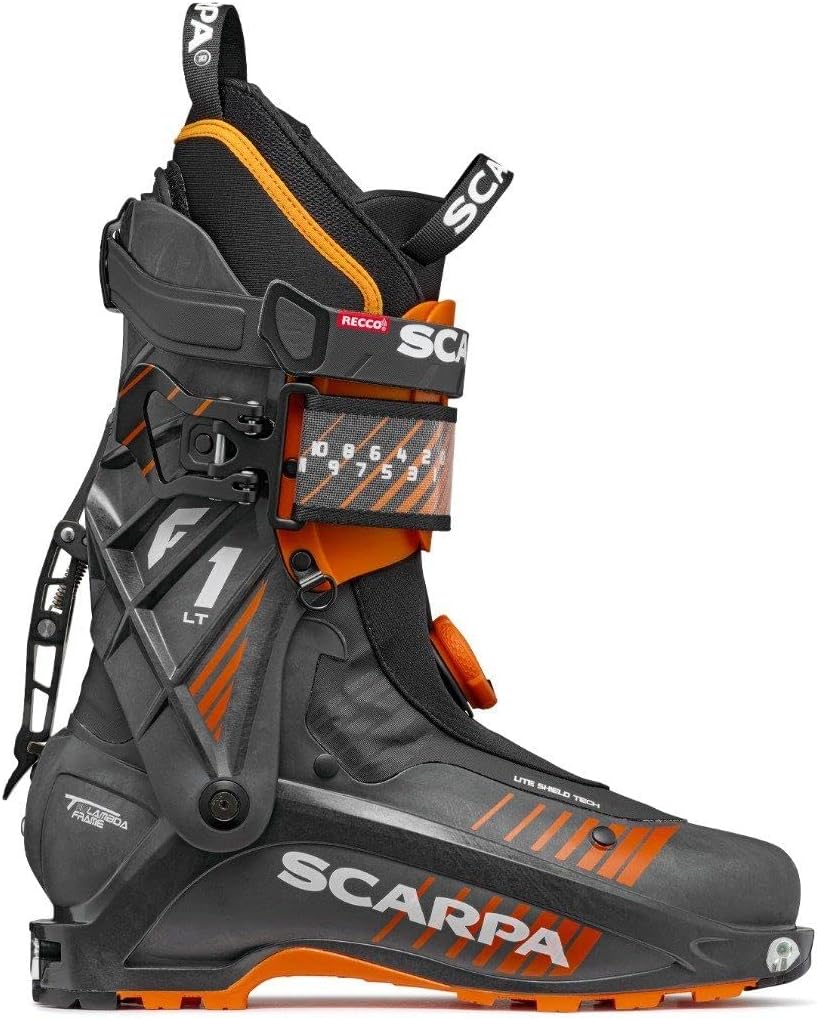
Ultralight but surprisingly capable, the SCARPA F1 LT is designed for those big vert days, where weight and performance are of equal importance. You got the confidence underfoot of its carbon-reinforced shell and a smooth, responsive flex when it’s time to sail down from summit to valley floor, along with plenty of walk range in walk mode when that skin track climbs through the stratosphere. A BOA-style closure and a supportive liner will help lock your foot in with out overtightening buckles. Tech bindings are a good match for this boot, which excels on long missions, steep couloirs and fast dawn-patrol fitness laps. The darling of adventurous, weight conscious ski tourers.
5. Tecnica Cochise 115 W All Mountain/Freeride Women’s Downhill Ski Boot
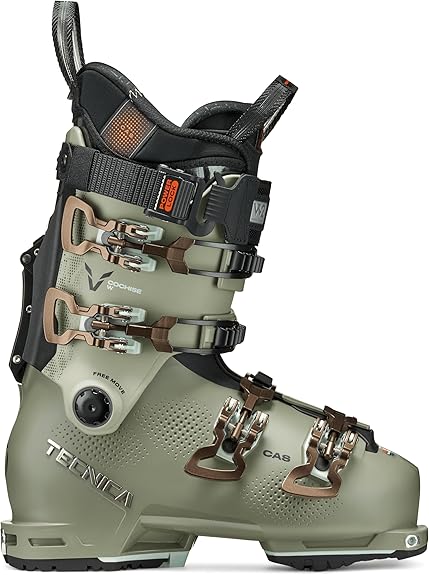
The Tecnica Cochise 115 W is a hard-charging women’s freeride boot designed for those who ski both resort and backcountry. Its stiff flex and precise shell provide plenty of power for big skis and fast speeds, but the T-Ride walk mechanism adds a generous hike range. Tech fittings and GripWalk soles increase options. A fitting women-specific liner and custom-friendly C.A.S. components make it perfect for hard chargers looking to charge serious terrain from storm-day trees to sun-baked alpine faces.
6. Rossignol Evo 70 – Ski Boots for Men – Relaxed Fit Snow Ski Boots – Black

The Dimension EVO 70 is a comfortable, easy-to-use boot designed for skiers new to classic or touring skiing. Its flexible flex allows you to learn the proper technique without battling stiff plastic at every turn. A generous 104 mm last offers plenty of space for wider feet, while the cushioned liner keeps toes both warm and comforted. Convenient buckles for easy in, easy out of the harness. It’s a confidence-building starter boot for buttoning down mellow groomers and for weekend ski trips that don’t scare new riders who are still getting things figured out.
7. Tecnica Mach BOA MV 120 All Mountain/Sport Performance Men’s Downhill Ski Boot

Designed for strong all-mountain skiers who demand a precise, firm fit with top-notch adjustability, the Tecnica Mach BOA MV 120 is your ticket to pure piste performance. The BOA shell closure draws the lower boot together nice and even so you’ll suffer less from hot spots when boosting edge control. A 120 flex, performance liner and C.A.S. shell come together for precision response. GripWalk soles aid in traction on snow. It’s a serious boot for experts who charge hard and fast from early morning corduroy to steep, techy chalky chutes.
8. Nordica Speedmachine 3 BOA 130 Men’s Ski Boots

Built for advanced skiers who like to lay into their boots and demand maximum power and precision, Nordica’s Speedmachine 3 BOA 130 is an aggressive downhill boot. In the Andes for race training during winter time or NZ to get out of hemi for summer, the stiffer 130flex allows you boost that extra bit off kickers but remain solid enough on this firm binders. The BOA closure system adjusts for even lower foot hold to achieve race-like response, and a mouldable liner and shell allow bootfitters to create the perfect fit. That’s because with GripWalk soles and a powerful, aggressive stance, this boot thrives on pushing the limits of sidecountry speed through rowdy snowpacks day in and day out.
9. Nordica Sportmachine 3 100 BOA Men’s Wide Fit Ski Boots

Need a little bit of extra space for your footbox? Nordica’s Sportmachine 3 100 BOA is an ideal fit, even if it doesn’t quite fit syntax convention. The high-volume shell and plush liner allow your toes to shred in luxurious comfort, and the 100 flex provides ample backbone for heavier intermediates and up-and-coming riders. The lower foot is wrapped smoothly by the BOA system to minimize hot spots and prevent heel lift. GripWalk soles provide off-the-snow traction. It is a great do-everything resort style you will ride all season long.
10. Nordica HF 110 Men’s Wide Fit Easy Entry Alpine Ski Boots

Nordica’s HF 110 reimagines the thought of convenience, with an innovative rear-entry design that lets you sidestep in nearly hands-free—great news if you hate grappling with buckles in the parking lot. Maintaining a supportive 110 flex and anatomically sculpted shell, this boot still performs impressively on snow for strong intermediate to advanced skiers. The single external buckle and power strap secure things down, while a cushioned, warm liner keeps feet happy. GripWalk soles add traction while walking up and down icy stairs. It’s the laziest-guy’s performance boot you will use for seasons.
11. Nordica HF Pro 105 W Women’s Wide Fit Easy Entry Alpine Ski Boots

The Nordica HF Pro 105 W takes that simple rear-entry design, inspired by those old school models, and gives it — or more properly, you — all the comfort without sacrificing control. An women’s-specific fit with a comfortable, supportive liner means long days on the mountain are more fun, and the 105 flex provides plenty of precision for advanced riders. The outside buckle system really frees up hands when getting in, especially for a skier with bad flexibility or a sore back. GripWalk soles enhance off-snow and stair grip. It’s a luxe convenience boot you never want to take off.
12. Nordica The Cruise 80 Men’s Comfort Fit All-Mountain Ski Boots

Nordica The Cruise 80 Nordica’s The Cruise 80 is all about easy comfort for newer or occasional skiers who’d rather have their own boots than rentals. A generous fit accommodates high-volume feet, and helps alleviate pressure points and reduce numbness throughout the day with this extra-wide last. The 80 flex is forgiving and instills confidence, allowing a good technique to develop without being unforgiving. An easy-entry shell design makes getting and in out of the boots a breeze as well, while cushioned liners impart warmth on chilly groomer days. It’s a forgiving, comfort-first boot that’s for you to be stoked to pull out every season.
13. Rossignol Speed 80 HV+ – Ski Boots for Men – Relaxed Fit

The Rossignol Speed 80 HV+ is a beginner-to-intermediate ski boot for the progressing skier who requires a relaxed, high volume fit that offers enough support to help continue to improve. Its very roomy last caters nicely to wider feet, and an 80 flex ensures the ride is forgiving when carving groomers. The light weight Sensor Matrix shell is designed to deliver energy into the edges without feeling ultra-bulky, and a comfort-first liner keeps your toes from getting too cold. It’s also a great step-up boot for those sick of crippling rentals, with GripWalk-compatible soles fitted to compatible bindings.
14. Rossignol Women’s Alltrack Pro 80 All-Mountain Ski Boots

The Alltrack 80 W from Rossignol is a do-it-all boot for ladies that blend resort laps with short hikes to find some sidecountry stashes. Its hike mode opens the cuff to enhance your stride when bootpacking or making that long walk back to the car, and the 80 flex remains comfortably forgiving out there on descent. A women’s-specific, insulated liner emphasizes warmth and everyday comfort. With a medium-volume fit and GripWalk-ready soles, it’s the all-season, everyday boot for pushing limits on piste – and exploring beyond groomers.
15. K2 BFC 90 Mens Ski Boots

And that makes for an all-day, comfortable experience on the lift and on the mountain. The K2 BFC 90 — “Built For Comfort” — is a favorite among skiers who want ample room for their toes, pain-free walking, without giving up too much power/control. The high-volume shell and spongy Cushfit liner feel pillowy from the first day out, while this boot’s 90 flex makes it plenty supportive for strong intermediates. Easy-enter design and hands-free style walk mode release add up to easy entry and exit. GripWalk soles assist while navigating icy resort walkways. For those who still want consistent control through every weekend. It’s a great cruiser boot for your daily ride though, especially if you’re after comfort.
16. K2 Recon 110 BOA Mens Ski Boots

The K2 Recon 110 BOA is a progressive all-mountain boot combining lightweight, comfort and a versatile fit thanks to micro-adjustable Boa lacing. BOA lower shell closure envelopes your foot evenly to eliminate hot spots and provide better edge control. The responsive 110 flex provides excellent power transfer for advanced skiers who like to charge groomers, weave trees, and confidently handle variable snow. Heat-moldable liners permit additional customization, and GripWalk soles make the walk back to basecamp a little less sketchy. It’s a tech-forward boot with sharp performance in variable snow conditions.
17. K2 Method Womens Ski Boots

The K2 Method W is a park and ride-all-day women’s boot based on freestyle durability that you love for solid park laps and side hits as well as comfortable cruising around all-mountain. It’s three-piece shell design provides a smooth, progressive flex to help soften those hard landings and slash big presses when you’re not feeling like hitting the jump line. Its Intuition liner is fully heat-moldable for a snug, supportive feel. A generous toe box helps keep your feet from feeling cramped on extended sessions. A lightweight build makes spins and tweaks feel easy. It’s an excellent choice for creative skiers who appreciate style, comfort and forgiving performance without any pressure.
18. K2 Women’s Revolver Team Snow Ski Boots

The men’s Revolver Team W takes that freestyle DNA and pumps up the performance for harder charging women. It has a stiffer flex and three-piece shell, giving you more support for bigger jumps and faster speeds as well as rougher landings. The wrap style Intuition liner embraces your foot to keep you secure and not change one bit – fully heat moldable for that perfect fit. The fit features adjustable buckles and a power strap that allow you to dial in your response. This boot truly excels in the hands of experienced park riders and all-mountain rippers looking for energetic, responsive feel and consistent support when they’re on first chair.
19. Dalbello Panterra 100 GW Ski Boot Mens

The Dalbello Panterra 100 GW is a very versatile all-mountain boot for advanced skiers who like to ski the whole hill. The adjustable last can be easily changed between wide and narrow to fit the skier\’s preference; as with most alpine touring boots, Mago Cabrio has a cab-rio design that gives a smooth, progressive flex for all styles of skiing. A walk mode increases the degree of movement for short walks or parking-lot missions, and GripWalk soles enhance grip. Paired with a 100 flex and custom moldable liner, it’s an option that rewards skiers who appreciate the ability to fine tune fit and all mountain versatility.
20. Tecnica Zero G Peak Light Touring Men’s Ski Boots
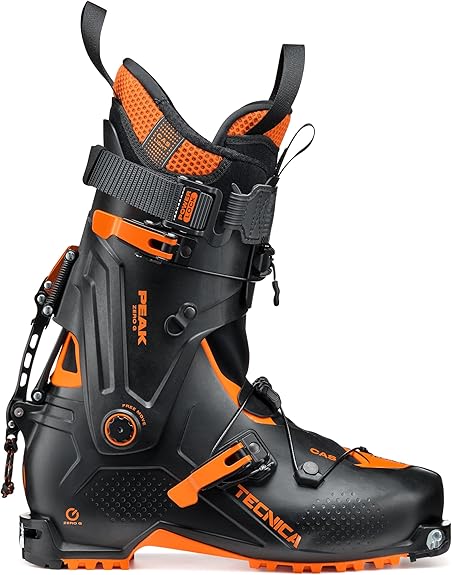
Tecnica’s Zero G Peak is designed for those epic, intensive ski touring missions where low weight and efficient climbing are key. Your every step is breezier thanks to the boot’s lightweight minimalist shell, but it still provides enough stiffness for those questionable down lines with massive exposure and consequences. Tech inserts mate with pin bindings, and the large walk-mode range doubles stride on skin tracks to keep you ahead of your friends. A thermo-moldable liner adds great fit and comfort on long days. It’s for backcountry skiers that pursue far off summits wherever they might be.
20 Best SKI BOOTS
Most skiers know the right boot shapes your day on the slopes; this guide helps you find the 20 Best SKI BOOTS tailored to your skill level, foot shape, and skiing style, offering fit tips, and recommended models so you can choose with confidence.
Alpine Ski Boots
If you ski primarily at resorts, your alpine boots must match ISO 5355 alpine bindings, deliver precise edge control, and often sport flex indexes between 90 and 130. You’ll notice last widths from about 97-102 mm for performance fits, and many models use heat-moldable liners and shells to eliminate pressure points while maximizing power transfer on groomers and steeps.
Touring Ski Boots
When you head uphill, touring boots trade some downhill stiffness for weight savings and mobility; many models weigh 800-1,600 g per boot, include tech fittings or hybrid soles, and offer 40-60° walk range. You should compare flex: 95-120 for mixed use, or 80-100 if you prioritize long approaches-examples include the Scarpa Maestrale RS and Dynafit Hoji Pro Tour.
Deciding between tech-toe and frame bindings is important: tech systems save ~300-600 g per pair and improve uphill efficiency, while frame bindings restore alpine-level power for hard charging descents; you’ll want ISO 9523-compatible soles for tech bindings and consider sole length consistency for binding setup.
Freestyle Ski Boots
If park and pipe are your focus, freestyle boots give you a softer flex (typically 60-100), a wider last around 102-104 mm, and reinforced rear cuffs to absorb landings. You’ll find thicker rubber outsoles for walking and extra shell overlap or shock-absorbing liners designed to protect knees and provide rebound for presses and butters.
Durability matters in park boots: you should look for dual-density soles, beefed-up cuff rivets, and replaceable toe/heel pieces; many freestyle-specific models also feature slightly lower cuff profiles to allow more ankle articulation for presses while maintaining lateral support for rails and jumps.
Backcountry Ski Boots
For true backcountry objectives, pick boots focused on minimal weight and uphill mobility-often 700-1,400 g per boot-with tech fittings, substantial walk range, and enough downhill performance to handle mixed snow. You’ll want a clear trade-off plan: lighter shells ease long approaches but may sacrifice some edge hold and power on steep descents.
When opting for backcountry boots, you should verify crampon compatibility, sole standard (ISO 9523 vs alpine), and cuff lock mechanics; manufacturers like Dynafit and Scarpa offer models with switchable stiffness or replaceable frames, letting you tune for a 30-40% weight savings on long tours without fully compromising descent control.
Touring Ski Boots
You’ll prefer Touring boots when you climb: they cut weight with thinner shells and integrate walk modes or pin‑binding soles (e.g., Dynafit TLT, Scarpa Maestrale) so you can ascend efficiently while retaining a reasonable downhill flex; expect cuff travel 40-60° and shell weights often 1-1.3 kg per boot for midweight options.
For longer approaches you should weigh sole rigidity versus weight-stiffer carbon cuffs improve descents but add grams, while modular soles let you switch between ISO alpine and tech setups; bootboard length and liner packability also affect skinning comfort and should guide your purchase.
Freestyle Ski Boots
You’ll want Freestyle boots for park sessions and jibbing because they use softer, forgiving flex (60-90), reinforced toes, and energy‑absorbing liners to handle landings; many park riders choose models with a slightly wider last (100-104 mm) and replaceable tongues or grippy outsoles for better stability in rails and stomp landings.
Beyond flex, you should check cuff overlap and shock management: dual‑density liners, beefed‑up heel retention, and polymer inserts reduce chatter on jumps, while customizable canting helps align your knees for grabs and rails without compromising mobility.
All-Mountain Ski Boots
You’ll pick All‑Mountain boots when you need one pair for piste, chopped snow, and occasional pow; they strike a balance with flexes around 90-110, heat‑moldable liners for personalized fit, and features like GripWalk or Vibram soles for walking comfort-examples include Salomon S/Pro and Tecnica Cochise hybrids that suit varied days from groomers to sidecountry laps.
When dialing in all‑mountain performance you should prioritize adaptable liners, medium‑stiff shells for both edge hold and comfort, and cuff mobility that lets you fore/aft lean between aggressive carving and quick, playful turns off piste.
After testing flex, fit, sole type, and walk-mode in person, choose the model that aligns with your terrain goals and skiing style.
Fit and Comfort
You should aim for a shell that leaves about 1-3 mm of space around your foot for all-mountain use and 0-1 mm for racer-tight fits; excessive gaps cause heel lift and poor control. Heat-moldable liners (Intuition, Custom Shell) and custom footbeds solve pressure points and improve heel lock. Test with your ski socks, flex repeatedly, and expect liners to compress 3-5 mm over time so factor that into initial snugness.
Flex Rating
Match flex to your weight and ability: beginners often use 60-80, intermediates 80-100, advanced 100-130, and racers 130+. Heavier or more aggressive skiers benefit from higher numbers, while touring or lighter skiers prefer lower flex for ease and control. On the hill, a proper flex resists too easily but doesn’t bottom out when you commit to a turn.
Because brands don’t standardize flex, you should use body-weight-to-flex guides-e.g., 140-160 lb might suit 90-100, 160-190 lb 100-120-and adjust for skiing style. Note temperature effects: plastics stiffen in cold, so a 110 flex can feel softer in warm conditions. Some boots offer adjustable flex inserts or aftermarket cuff modifications; consult a bootfitter for precise tuning.
Boot Width
You’ll see lasts typically from ~97 mm (narrow) to 104+ mm (wide); narrow lasts give sharper edge response but can pinch, while wider lasts provide comfort for broad forefeet. Measure foot width at the ball in millimeters and compare to the model’s listed last. Expect shell molding/padding to change perceived width by only 1-3 mm, so pick the closest match.
If you have a wide forefoot, opt for a last 2-4 mm wider than your measurement; professional shell stretching can add 1-3 mm and targeted punching relieves pressure points. Also consider liner volume options-manufacturers offer low- and high-volume shells-and prioritize heel hold: a good heel wedge or custom footbed improves control more than raw width alone.
Fit and Comfort
You should target a secure heel hold, consistent forefoot contact, and appropriate last width-97-100 mm for narrow feet, 101-103 mm medium, 104-106 mm for wide feet. Heat‑moldable liners and shell punching let you refine pressure points, while custom footbeds stabilize your arch. Test with thin and thick socks to confirm comfort across conditions and avoid hotspots that cause pain after a few runs.
Boot Height
You’ll notice cuff height affects leverage and mobility: taller cuffs provide stronger lateral support and quicker edge response-favored by racers and hard‑charging all‑mountain skiers-while lower cuffs increase freedom for park and freestyle tricks. Touring boots typically use a slightly lower, hinged cuff or walk mode to improve stride efficiency when hiking.
In practice, match cuff height to your priorities and calf anatomy: if you want precise carving and have strong calves, a higher cuff (seen on race and performance models) gives better power transfer; if you value maneuverability or splitboarding-style touring, choose a lower cuff or a boot with an effective walk mode. Adjustments like cuff alignment screws and spoilers help fine‑tune cuff fit and compensate for calf shape differences.
Trying Before Buying
You should try boots with your ski socks and spend 15-30 minutes standing, flexing, and simulating turns; walking around the shop highlights hotspots. Test forward flex and lateral support-your heel should stay snug under load within about 1 cm. Ask to ski in them if possible or take them on a demo day to validate fit across varied terrain.
Compatibility with Bindings
Check sole type and length before buying: ISO 5355 denotes standard alpine soles, GripWalk improves walkability but can affect older binding interfaces, and touring soles follow ISO 9523 or have pin-compatible profiles. Use the boot’s BSL (boot sole length in mm) to set bindings properly and confirm the binding’s DIN range accommodates your weight, height, and ability.
Bindings rely on consistent toe/heel geometry and AFD (anti-friction device) contact; mismatches can change release values or cause pre-release. Measure BSL stamped on the boot (e.g., 305 mm) and verify the binding manufacturer lists compatibility with ISO 5355, GripWalk, or tech/toe-pin soles. If you have GripWalk or a rockered touring sole, consult a tech or choose bindings explicitly rated for that sole type to ensure safe DIN calibration and reliable release performance.
Trying Before You Buy
When you try boots, wear the exact ski socks and bring any orthotics; buckle fully, stand upright, then flex forward for several minutes to check heel lift (target under 6 mm) and toe pressure (should retract slightly when flexed). Ask for a ramp or pressure-map test, walk around the shop, and compare two shell sizes-small differences in fit often change comfort and control dramatically.
Importance of Sizing
Use Mondopoint (foot length in cm) as your starting point-sizes like 25.5 or 26.5 correspond directly to centimeters-and aim for a performance fit where toes just touch while standing and move back 1-3 mm when flexed, with minimal heel lift for responsiveness. Try multiple shell sizes if your foot lands between Mondo increments.
Poor sizing leads to numbness, rubbing, reduced precision and quicker fatigue; for example, dropping one shell size can sharpen control but may create pressure zones, so many skiers balance a snug fit with liner molding. If you have broad feet, choose lasts of 100-104 mm or select a wide model to maintain comfort without losing power transfer.
Performance vs. Comfort
You chase performance when you need race-level response-stiffer shells, narrower lasts and snug liners that transmit every movement; you choose comfort when you want softer flex (70-95), roomier lasts and cushioning liners to ski longer without hotspots, accepting slower edge initiation and reduced power transfer.
You can tune the balance: heat-mold liners, custom footbeds, shell punching and a one-box shell grind improve fit without sacrificing too much response; for example, selecting a 100-110 flex for heavier intermediates or adding a 3° cant and a firmer spoiler gives you measurable gains in edge hold and stability during 30-45 km/h carved turns.
Measuring Your Feet
Measure both feet standing with the exact socks you’ll ski in; record length in millimeters and note the wider foot. Take measurements late afternoon when feet are largest, and compare to Mondo sizing (e.g., 260 mm = Mondo 26.0). If one foot is longer, fit to the longer foot and plan small liner or insole tweaks for the shorter side.
Testing for Comfort
Buckle boots progressively-start loose, then tighten to two to three clicks per buckle-and stand upright: toes should lightly touch the shell, then pull back about 5-10 mm when you flex forward into a skiing stance. Walk 5-10 minutes, flex repeatedly, and simulate downhill pressure to detect pinches or numbness before finalizing the fit.
If you spot hot spots within the first 10 minutes, use heat-moldable liners or temporary shell extenders for immediate relief; persistent pressure over the metatarsal area often requires shell punching or switching to a wider last. Also trial a variety of sock thicknesses (1-3 mm range) and test with custom footbeds-adding a 3-6 mm arch support can redistribute pressure and improve stance.
Making Adjustments
Use micro-adjustable buckles for fine closure, add thin shims (1-4 mm) under the heel for stance tweaks, and have liners heat-molded to your foot. For structural changes, a bootfitter can cant the cuff ±2-4 degrees or stretch/punch the shell to add localized volume; document each change and re-test on-snow if possible.
Micro-adjust notches typically change closure by ~2-3 mm per click; shell stretching or punching can create 1-4 mm of extra room in targeted zones, while canting corrections of 1-3 degrees often produce noticeable edge control improvements. A common case: a skier who added a 4 mm medial shim and 2° outward cant regained neutral knee alignment and tighter, more consistent turns.
Advantages of Alpine Boots
You get immediate edge response and high power transfer with alpine boots, thanks to stiffer shells and narrow lasts. Manufacturers design them for carve performance and consistent control at speed; racers and piste-focused skiers benefit from finely tuned cuff overlap and multiple micro-adjustable buckles that deliver precise fore-aft and lateral support.
Disadvantages of Touring Boots
You’ll sacrifice some downhill precision with touring boots because manufacturers prioritize weight-many tech-style touring boots weigh 1,200-1,600 g per boot-resulting in lower lateral stiffness and a cuff design focused on walk range. That trade-off means you may notice reduced edge hold on hardpack and less aggressive response during high-speed carves.
Digging deeper, touring boot designs often use thinner shells, reduced buckle count, and dedicated walk mechanisms to cut weight and improve range of motion, which can lower torsional rigidity by a perceptible margin compared with alpine models. If you split your season between long approaches and steep, technical descents, consider hybrid options with beefed-up downhill shells or alpine touring (AT) models that add reinforcement-expect to add roughly 200-400 g per boot for appreciable increases in downhill performance.
Maintenance and Care for Ski Boots
Check shells, buckles and liners regularly by inspecting seams, rivets and sole wear after every 10-15 days on snow or at season end. Tighten loose screws to 4-6 Nm, replace ISO 5355 soles when tread is under 2 mm, and schedule a bootfitter visit annually for shell checks and liner heat-molding. You’ll preserve flex and fit by addressing small issues before they worsen.
Cleaning and Drying
Remove liners and footbeds after each use and hand-wash with mild soap; avoid machine cycles that break down foam. Rinse and gently squeeze liners, then air-dry away from direct heat for at least 24 hours. If you use a boot dryer, keep temperatures below ~40°C and wipe shell interiors after salty slush to prevent corrosion of buckles and rivets.
Cleaning Techniques
Start by removing liners and footbeds, hand-wash liners in lukewarm water with a mild, pH-neutral soap and let them air-dry 24-48 hours away from direct heat. Wipe shells with a soft cloth and mild detergent; use a soft toothbrush to clean buckles and rail areas. Avoid submerging shells in hot water or using hair dryers; keep drying temperatures under 40°C (104°F). For odors, treat liners with a sprinkle of baking soda or a 1:4 diluted white vinegar spray, then air thoroughly.
Storage Recommendations
When storing skis off-season, dry liners completely and leave buckles closed but not fully tightened to preserve cuff shape; remove footbeds and place silica-gel packs to keep humidity below 50%. Store boots upright on a rack or in a padded boot bag at 10-15°C away from sunlight, radiators and basements prone to dampness. Rotate pairs if you own multiple sets to prevent long-term deformation and check seals and rivets every 3 months.
For long-term storage, use breathable boot bags or cardboard boxes rather than sealed plastic to prevent trapped moisture; insert boot trees or rolled socks to maintain cuff and toe box contours. Keep sole screws and metal parts lightly lubricated with a dry Teflon spray and tuck silica packs inside liners and toe boxes; inspect for mold or salt stains every 3 months and air boots for 24 hours before returning to ski bag. Avoid stacking heavy gear on top, which can warp shells over months.
Summing up
As a reminder, when choosing from the 20 Best SKI BOOTS, prioritize fit, foot volume, and compatibility with your bindings and skiing style. Test for secure heel hold and even pressure across the shell; consider heat-moldable liners and walk-mode features if you ski varied terrain. Use these top picks as a guide to match performance, comfort, and budget so your boots enhance your confidence and control on snow.
Final Words
Conclusively, when choosing from the 20 best ski boots you should prioritize fit, flex, and intended terrain so your boots deliver precise control and lasting comfort; have your stance and foot shape assessed, try multiple liners and shell fits, and balance performance needs with warmth and convenience-this approach ensures you get boots that match your ability and goals, reducing fatigue and improving your confidence on every run.
Leave a Reply