
Finding reliable **tactical military gear** shouldn’t feel like a battle. Whether you need rugged survival tools or advanced everyday carry tech, trusting cheap equipment is a dangerous mistake. You deserve *unstoppable* gadgets that give you absolute confidence when disaster strikes. We curated this elite list to ensure you stay prepared for any threat. Ready to upgrade your loadout? Let’s check out these battle-ready essentials.
Contents
30 Incredible Tactical Military Gear & Gadgets
1. Leatherman Signal Survival Multi-Tool

The Leatherman Signal is made for the outdoors and has 19 tools in a small, all-locking design that is suited for actual camp work. It has a 420HC combination blade, saw, bit driver, hammer surface, and even a ferro rod and safety whistle, so it’s good for setting up a shelter, making quick repairs, and dealing with unexpected emergencies. The carabiner and bottle opener make it useful for everyday use, and the nylon holster that comes with it makes it convenient to carry on your belt or in your pack. This is the kind of improvement that makes your kit lighter and wiser by giving you “one tool, many problems.”
2. Streamlight ProTac Rail Mount HL-X Pro Tactical Flashlight

The ProTac Rail Mount HL-X Pro is a small, tough light that is easy to operate and built to last. It has a high-candela beam that pushes up to 1,000 lumens for strong throw, and it works with Streamlight’s Multi-Fuel configuration, which means it can run on CR123A batteries or the SL-B26 rechargeable alternative. The low-profile mount attaches to MIL-STD-1913/Picatinny rails, making it fit snugly and securely on compatible platforms. It has an aluminum body and an IP67 rating, so it can survive rain, bumps, and long nights on the go. This is reliable lighting that you can count on when things get tough.
3. Nightfox Swift 2 Pro Night Vision Goggles

The Nightfox Swift 2 Pro is a great choice if you want cheap, useful night vision for scanning close to mid-range. You can adjust to the scenario because it has two IR options: 850nm for extended reach and 940nm for low-glow, more covert use. The Pro model can record 1080p video with sound and comes with a 32GB memory card, which is great for recording training sessions or journeys at night. It has one-touch controls, a wide viewing angle, and charging that works with power banks. It’s made for hands-free, after-dark awareness without having to carry heavy gear.
4. Surviveware 51-Piece First Aid Kit

When every second counts, being organized is key. Surviveware gets it right with clearly labeled sections that make it easy to find what you need. The 51 pieces in this kit are made to handle accidents and situations that happen outside. The 600D polyester is tough and water- and rip-resistant, and the inside lamination pouches give another layer of protection. It works with MOLLE and has a robust Velcro system that can be taken off, so you can put it on a backpack, the lining of a car trunk, or a gear wall without it slipping. It’s a simple addition that makes hiking, road trips, and storm prep a lot easier. It’s small, light, and easy to get to.
5. Camillus Carnivore X Machete

The Camillus Carnivore X is a versatile field blade that can handle harsh outdoor activities like clearing brush, processing wood, and doing camp chores with ease. The blade is made of 420 stainless steel with titanium bonding to make it last longer and work better. The sawback makes it easier to make fast cuts. The supplied trimming knife is a major plus because it gives you a smaller tool without having to carry a second full-size blade. It comes with a nylon cover to keep it safe when you carry it or store it. This is a useful tool for hikers, campers, and people who want to be prepared for everything. It deserves its place by doing more than one task well.
6. Raynic Emergency Weather Radio

A good weather radio is one of those “hope you never need it” items that you will need. Raynic’s emergency radio is all about early warning. It scans NOAA weather alerts automatically, so you don’t have to listen to broadcasts all day. The best part is that you can charge it in a lot of different ways. This way, you can keep using it even when the power goes out. It also works as a phone and USB backup source when you need a rapid charge. With a built-in flashlight/reading lamp and an SOS option, you have a little command center for storms, blackouts, automobile kits, and camping trips. Being prepared is what really matters.
7. Gerber StrongArm Fixed Blade Knife

The Gerber StrongArm is made in the USA and has a full-tang 420HC steel blade. The diamond-textured rubber grip stays in place even when your hands are wet or fatigued, and the striking pommel makes it even more useful for tough jobs. The MOLLE-compatible multi-mount sheath system enables you set it up in several places on your belt, pack, or rig, which is where it really excels. It’s a sturdy, no-nonsense tool that’s easy to set up, quick to get to, and reliable enough to use for camping, trail maintenance, and emergency kits.
8. Sawyer Squeeze Water Filtration System

The Sawyer Squeeze is popular because it gives you clean water, which is the most important thing for survival. It has a 0.1-micron absolute filter that is supposed to get rid of dangerous germs and protozoa, as well as microplastics. The system is light, easy to use, and made to last. Instead of buying new cartridges, you may clean it by backflushing it. It’s also adaptable; you can use it with the provided containers, link it to hydration systems, or set up a gravity system when you’re camping. This is one of the most important changes you can make to a kit for hiking, traveling, and getting ready for emergencies. You shouldn’t have to guess how much water you need.
9. Garmin inReach Mini 2 Satellite Communicator

The inReach Mini 2 is small but gives you a lot of peace of mind. It lets you send and receive messages and use an interactive SOS function using satellite networks (with an active subscription), which is great when you’re out of mobile phone range. TracBack routing and the digital compass are useful navigation features that assist you find your way back. The digital compass also keeps track of your direction even when you’re not moving. Use the Garmin Explore app to plan your journey, get maps, and sync waypoints with this. It can last up to 14 days on a single charge in 10-minute monitoring mode, so it’s great for long excursions, working from remote locations, and backup communication that doesn’t need a signal bar.
10. CamelBak Ambush Tactical Hydration Backpack

The CamelBak Ambush is a low-profile hydration pack that lets you stay on the move while carrying the things you need. It has an external fill system that makes it easy to replenish quickly without taking out the reservoir. It also has a side zipper that makes it easy to get to the hydration compartment. It is made of tough 500D double-rip Cordura that can take a lot of wear and tear. The laser-cut Mountain MOLLE gives you clean attachment points without adding unnecessary weight. It’s great for training days, long hikes, range days, and working in hot weather because it has structured front pockets for little gear. This pack has everything you need for hydration without bouncing or getting in the way. It is comfortable, stable, and has smart storage all in one simple setup.
11. BAOFENG UV-5R Dual Band Handheld Radio

The BAOFENG UV-5R is still a great choice for cheap communications, especially in a two-pack that comes with batteries and earpieces. It has 128 channels and works on two bands. It has dual display and standby functions, as well as a keypad lock, so it’s useful for group activities where keeping connected is important. The accompanying rechargeable battery lets you use it for lengthy periods of time, and you can set up channels by hand or through CHIRP-compatible workflows, depending on what you require. This is fantastic for groups going camping, planning events, and having backup communication. Just make sure to follow the rules and licensing requirements in your area for the frequencies you utilize. For the price, this radio has a lot of features in a little package.
12. Vortex Defender-CCW Enclosed Solar Micro Red Dot Sight

The Vortex Defender-CCW Enclosed Solar Micro is a little optic that is built to last. The emitter is protected from dust, sweat, and rain by its enclosed construction. The solar function also helps it work well in sunny settings. It comes with a Picatinny mount, a shim plate, tools, and common screw sets, which makes it easier to set up on mounts that work with it. It is tough but still light, and it is made to work with night vision. This compact optic is made to handle regular use without any problems. It focuses on safety and dependability.
13. Howard Leight Impact Sport Electronic Earmuffs

The Impact Sport earmuffs are a great choice for anyone who wants to stay aware while also being safe. Built-in directional microphones boost background noises to safety levels, and the electronics automatically stop boosting when noise levels rise, which helps protect your hearing at busy occasions. The earcups are low-profile so they won’t get in the way, and the frame folds up so you can easily fit them in a range bag, car kit, or travel setup. You can also connect audio devices that work with it using an AUX input. With a Noise Reduction Rating of 22 dB, they strike a good compromise between comfort and usefulness in the real world. You can stay safe and still hear what important around you.
14. Walker’s Razor Electronic Quad Hearing Protection

The Walker’s Razor Electronic Quad has one main goal: to keep your hearing safe while preserving the clarity of natural sounds. The design has four high-gain microphones to improve directional awareness, and it quickly compresses strong audio to assist cut down on exposure during unexpected surges. The headband is made for all-day comfort, and the shape is very low-profile and easy to fold up and put in a bag. It has a stated NRR of 23 dB, making it a good choice for range days, seminars, and other loud places where you still need to talk. If your kit is about being ready, you need hearing protection. This one adds an awareness factor that standard passive muffs don’t have.
15. ACR ResQLink 400 Personal Locator Beacon

The ACR ResQLink 400 is a must-have for remote trips since it is small, floats, and is made to let search and rescue know when you are really out of alternatives. It has GPS and is intended to last in tough conditions, so it’s a great choice for hikers, kayakers, hunters, and others who travel in the backcountry where cell coverage can go down quickly. One of its best features is that it is a real personal locator beacon, therefore you don’t have to pay a fee to use it as an emergency distress device. This is the instrument that can convert a poor situation into a rescue timeline when everything goes wrong, including an injury, severe weather, or a mechanical failure. The gear isn’t spectacular, but it might save your life.
16. ACR ResQLink View RLS – SOS Personal Locator Beacon

The ACR ResQLink View RLS is the kind of gadget that can help you survive when things go wrong on a mission. This small PLB has a digital display that shows the current state of the beacon and GPS coordinates. It also has a Return Link Service that lets you know that rescue authorities got your distress signal. You also get an infrared strobe that makes it easier to see and find things in the dark. It doesn’t need a subscription, and can run for more than 28 hours. It’s made for serious backcountry, offshore, and disaster ready.
17. OneTigris Mesh Teepee Tent

If you camp where bugs don’t like to hang around, the OneTigris Mesh Teepee Tent is a sensible, lightweight improvement for your shelter. The teepee shape makes the screen area big and airy, but it can still be packed down tiny for hiking. A bathtub-style floor that is waterproof keeps moisture from getting in from the ground, and the complete mesh design keeps the air flowing on warm evenings. It’s a perfect choice for simple camping setups, bushcraft base layers under a tarp, or outings in hot weather where being dry, cool, and free of bugs is important.
18. GORILLA GRIP Powerful LED Tactical Flashlight

The GORILLA GRIP tactical flashlight is small, simple, and surprisingly powerful. It’s made to be carried every day and be ready for emergencies. It has a beam that can reach more than 750 feet and is rated at 345 lumens, so you get a lot of light in a little size. You also get five modes and a beam that can be adjusted and zoomed in on, so you can move from lighting a large area to a smaller one when you need to. The metal body is tough enough for everyday use, it won’t get wet, and it works on three AAA batteries that are easy to find.
19. XCHEER M80 Tactical Flashlight
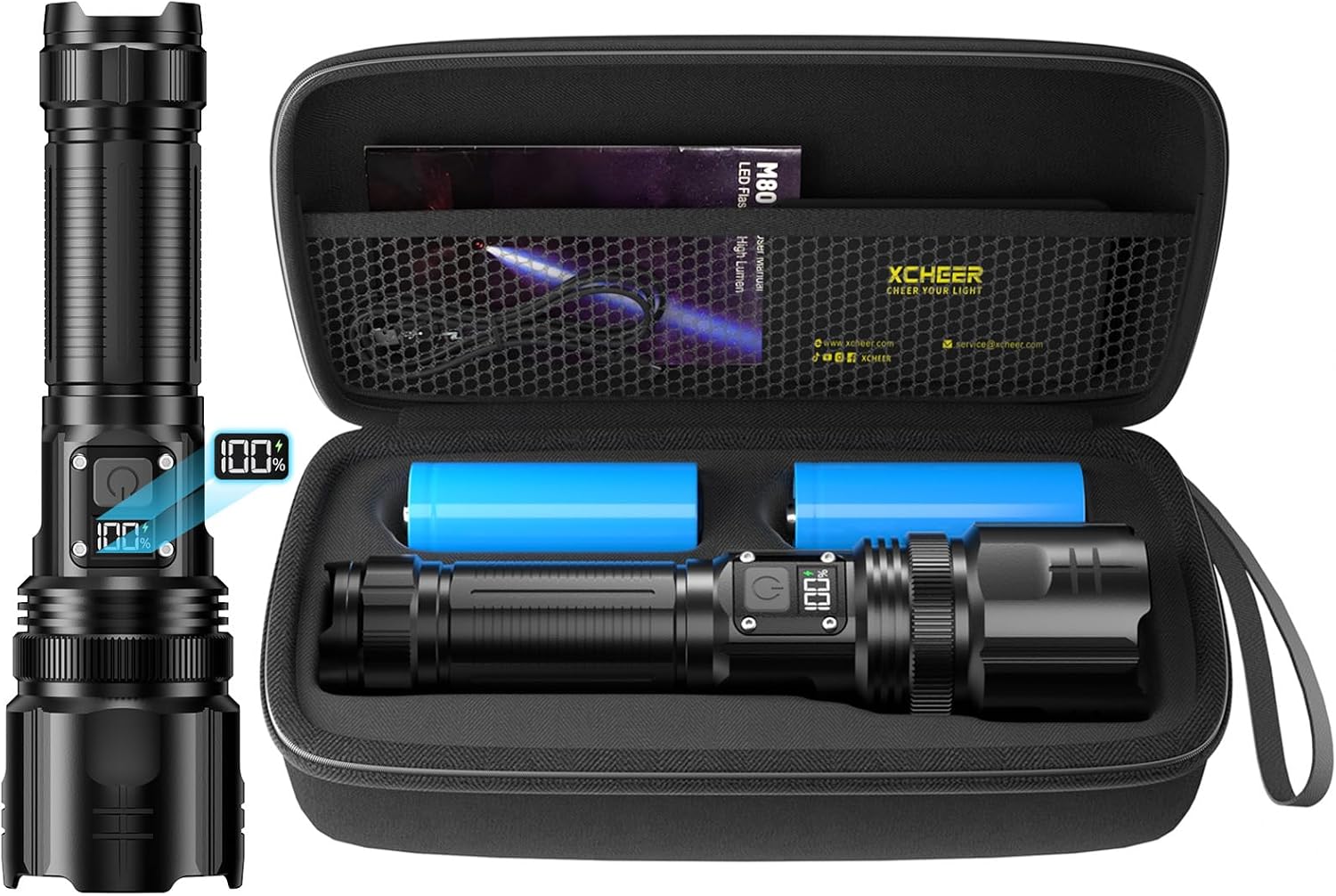
The XCHEER M80 is made for long-lasting use, so you can trust it to work when you need it to. It comes with two 5000mAh batteries, which can power the device for more than 8 hours with one battery and more than 16 hours with both batteries. That’s perfect for lengthy evenings at camp, long patrol-style work, or having a reliable light in your car pack. The “dual smart batteries” method is the true winner here. It means less times when the light goes out, less worry about the battery, and more time spent on the task instead of worrying about when to charge it.
20. Liberty Safety ZETTACUT A7 Premium Tactical Gloves

The ZETTACUT A7 gloves are made for tasks where you need to be able to move your hands easily and protect them at the same time. They have ANSI A7 cut resistance and EN 407 Level 1 heat protection, which makes them a great choice for hard field work, handling tools, and occupations with a lot of friction. The materials focus on performance, with a lot of aramid in the construction to make them robust. The tactical glove shape also makes them comfortable to wear for long periods of time without feeling bulky. If your gear include blades, cordage, and rough edges, these gloves are a great way to keep tiny mistakes from turning into huge ones.
21. HinsGEAR 1-Mode Flashlights
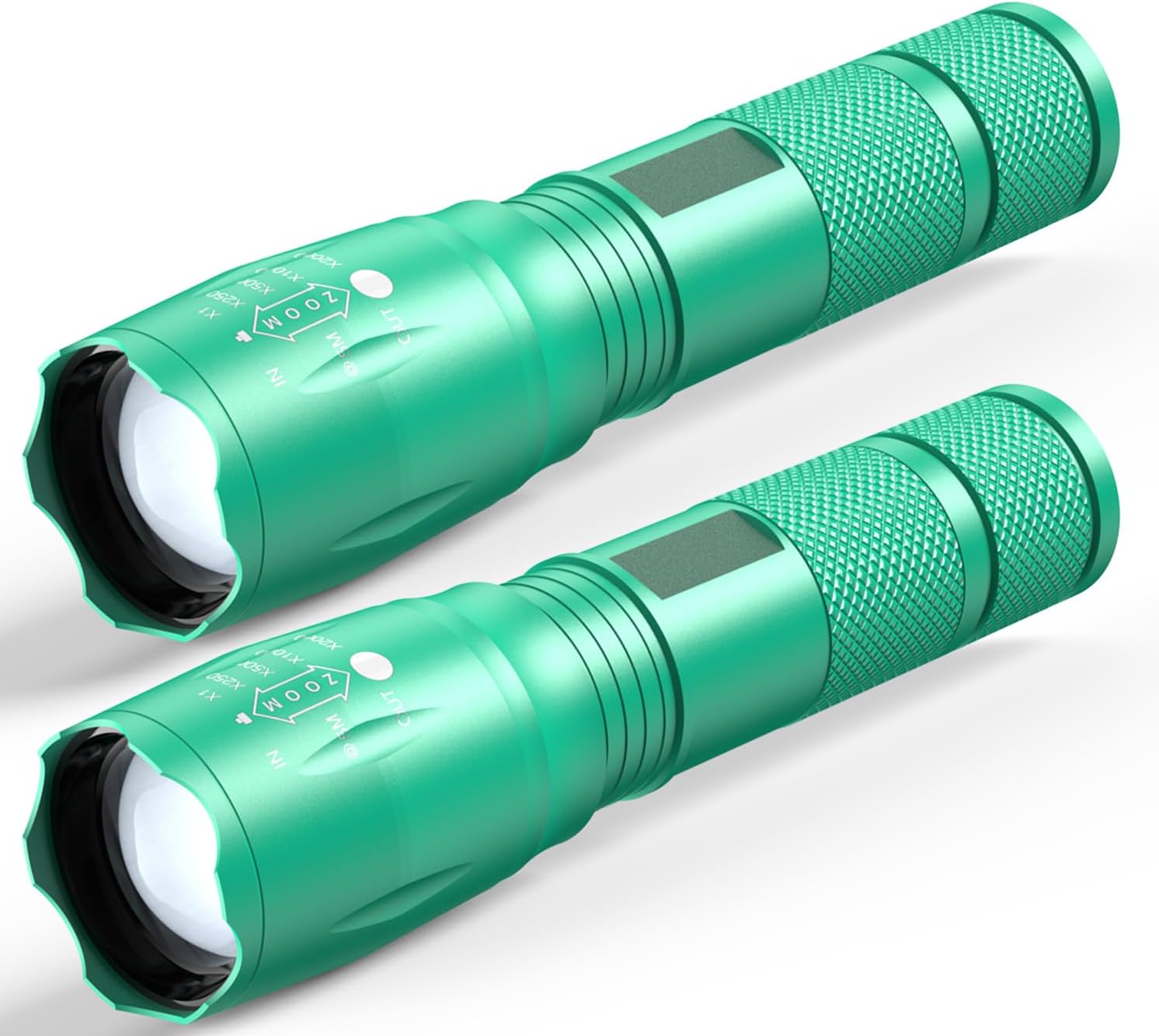
This two-pack is great for adding extra items to your kit. You may keep one in your backpack, one in your car, or give one to a teammate. These HinsGEAR zoomable flashlights are easy to use because they just have one on/off setting. They also have a wide-to-narrow beam that works for both close-up work and speedy scanning. The bodies are said to be tough, water-resistant, and made of military-grade aluminum. They are also said to be able to withstand drops from up to 10 feet. It’s a useful lighting choice for home emergencies, camping, and being ready for anything without having to learn how to use it.
22. Tactical Notebook Covers – Field Data Cover System
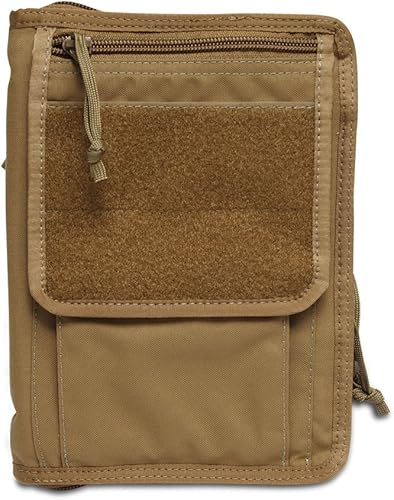
A good admin organizer is important because information is gear in real fieldwork. The Field Data Cover System is a heavy-duty zippered notebook cover that keeps maps, notes, and other important things safe and easy to get to. It fits most notebooks and has elastic loops inside a pocket to hold pens and markers so they don’t get lost at the worst time. The zipper clasp keeps everything in the pack, and the sturdy fabric is meant to last. This is a modest but powerful addition whether you’re keeping track of your routes, communications plans, or training notes.
23. GOYOJO 4K Head-Mounted Night Vision Goggles

The GOYOJO 4K head-mounted NVG set is made for seeing in low light, which transforms how you move after dark. It comes with a 32GB memory card that lets you record photographs and videos, and the 4500mAh rechargeable battery lets it run for hours. It has 7 IR levels and can zoom in digitally up to 8 times. It can see up to 300 meters away in utter darkness. The buttons light up at night, and there is also a built-in white flashlight for emergencies. It’s a useful choice for camping, keeping an eye on things, and watching at night.
24. Walker’s Razor Walkie Talkie Attachment

This Walker’s Razor walkie talkie attachment is designed to work with Razor shooting muffs to make communication clearer and safer. It has 22 stations and a claimed range of up to 3 miles. It also has voice-activated (VOX) hands-free operation, so you can keep your hands on your gear instead of your radio. It works on AAA batteries (included), which is great for being ready to use in the field because you don’t have to charge it with a special charger. This is an easy method to add communication without adding clutter for range days, hunting teams, or off-grid cooperation.
25. 3M Peltor Tactical Sport Headset
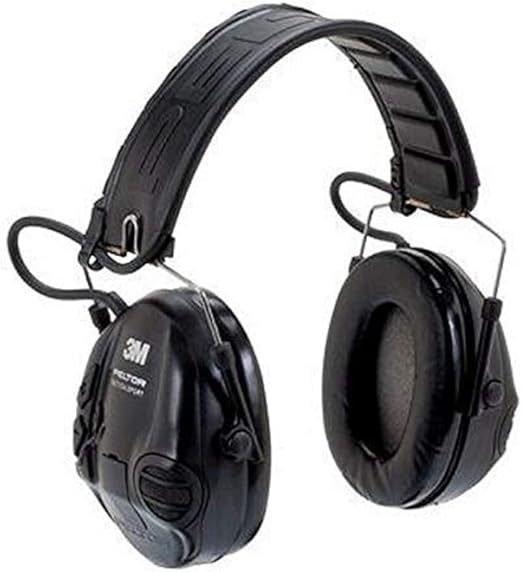
When you require hearing protection but don’t want to lose your awareness, the 3M Peltor Tactical Sport headset is a good alternative. It’s an active hearing protector with an active-volume feature that makes sound seem nice and natural while yet blocking out dangerous noise. It has useful features that make it easy to use in the field, like a padded stainless-steel headband that can be adjusted for comfort, a microphone that is hidden, and an automatic shut-off that kicks in after two hours of not being used to save battery life. It runs on two AAA batteries (included), which makes it easy to use. It’s a big improvement for training, range work, and places that are loud.
26. OneTigris TENTSFORMER Military Poncho + Mesh Teepee

This OneTigris bundle is made for modular survival shelters, which is how you keep weight down: by using one item for two things. The TENTSFORMER poncho-style shelter idea comes with a mesh teepee part, so you can use it as a rain cover, bug cover, or simple camp building depending on the weather. The poncho is made of tough nylon with a PU coating and is rated waterproof for 1500mm. The mesh tent gives breathable coverage when bugs are really bad. It’s great for bushcraft trips, trekking, and camps that move quickly where being flexible is better than being big.
27. OneTigris TENTSFORMER Hooded Poncho

The TENTSFORMER hooded poncho is the kind of gear that deserves its place because it can be used in many different situations. It works as a waterproof raincoat with a hood that is 1500 mm long, and it is also made to cover a backpack so that your stuff stays dry even in heavy rain. You may set it up with a trekking pole or stick to make a tarp-like shelter that keeps out wind, sun, and rain. This gives you a quick “pause and recover” station anyplace. This 4-in-1 idea is the perfect example of smart packing for lightweight kits.
28. Nitecore HC65M UHE Tactical Helmet Light
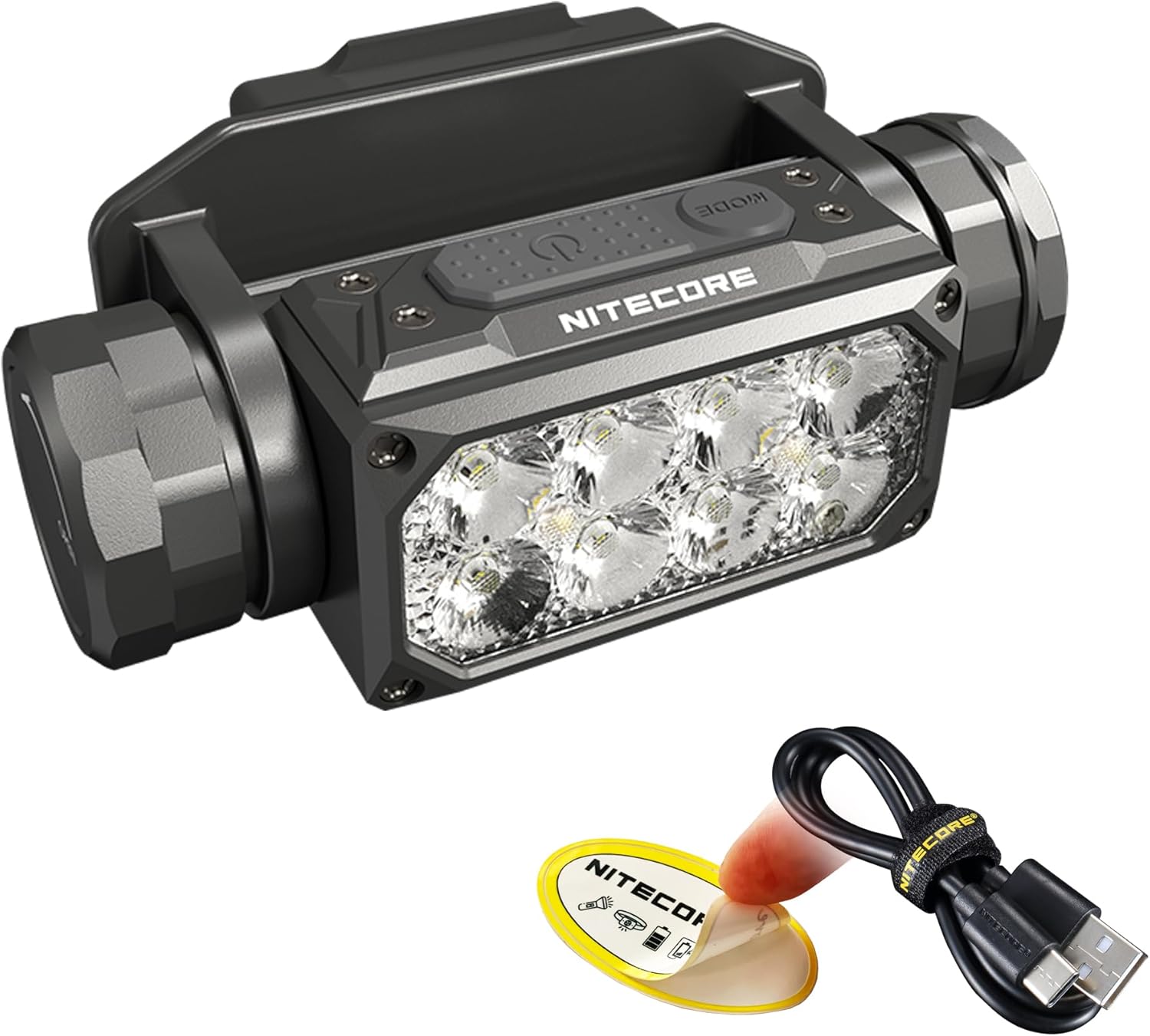
The Nitecore HC65M UHE is made for serious work. It can be mounted on a helmet with NVG fittings and can shine up to 2000 lumens with a range of 243 yards. It stands out since it can do a lot of different things. It has a main white LED with several outputs, an SOS and beacon light, a dedicated low-output reading light for close work, and an extra red light for when you want to keep your night vision. It can be charged by a waterproof USB-C port, has a battery status indicator, and is rated IP68 with a 2-meter impact resistance. This is not a toy; it’s a professional lighting tool.
29. Princeton Tec Quad Tactical Headlamp
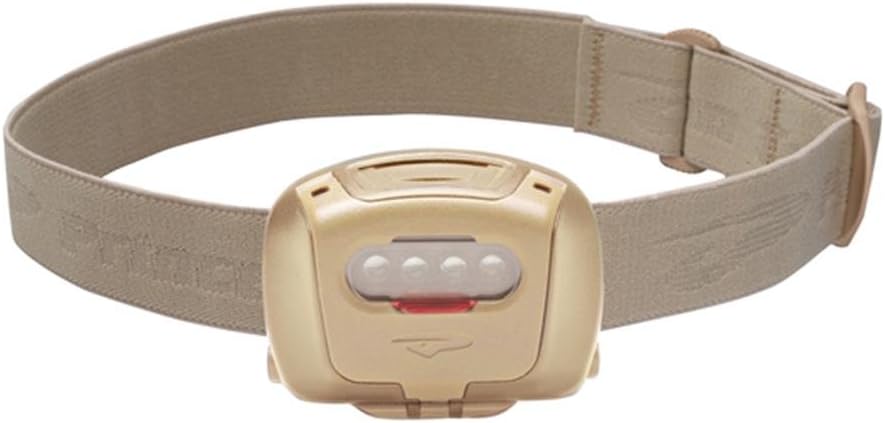
The Princeton Tec Quad Tactical is a classic headlamp that doesn’t take up too much space and is great for lighting up close without adding extra features. With 4 ultra-bright LEDs and 78 lumens, it has a wide flood beam that is perfect for camping jobs, checking equipment, and navigating hands-free. With an IPX7 water resistant rating, it’s ready for heavy rain, damp brush, or an accidental dunk. The tactical lens selections let you regulate the light better in the field when you don’t want strong white light. It is still a great addition to kits because it provides small, reliable light.
30. LifeStraw Peak Series Compact Gravity Water Filter System

You can’t live without clean water, and the LifeStraw Peak Series Compact Gravity device is made to make filtering water at camp quick and easy. The cartridge is designed to allow for higher flow and improved resistance to clogging. It can also remove sand and silt more effectively, so you can spend less time squeezing and more time moving. It’s made to keep bacteria and parasites out, which is what you want from a backcountry gravity setup. With a strong storage bag and the ability to feed itself by gravity, this is a reliable choice for hiking, emergency kits, and group camps.
Things to Consider Before Buying a Military Gear & Gadgets
You must assess mission needs, durability, and ergonomics before investing in military gear & gadgets; evaluate materials, weight, fit, and compatibility with your existing kit, check certifications and manufacturer reputation, verify warranties and return policies, and confirm power, range, and maintenance requirements to ensure reliability in the field. Your budget and training should align with gear capability to avoid costly mismatches.
Clothing and Apparel
You should prioritize fit and materials: choose merino or synthetic base layers for moisture wicking, a 500-1000D Cordura pant for abrasion resistance, and a Gore‑Tex or similar waterproof shell for wet environments; expect jackets to weigh 400-1,200 g depending on insulation, and size gear to allow body armor underneath for mobility and layering.
Tactical Equipment
You’ll evaluate carriers, armor plates, and load carriage: select NIJ IIIA soft armor for handgun threats or NIJ III/IV rifle plates (common 10×12 or 11×14 sizes) weighing roughly 1.2-3 kg per plate, prefer MOLLE platforms like Velocity Systems or Crye for modularity, and check quick‑release and cummerbund fit for rapid don/doff.
You must test ergonomics with a live load-plate shape (SAPI vs ESAPI) affects shoulder clearance and range of motion; ceramic plates reduce spall and blunt trauma compared with budget steel, while trauma pads (10-20 mm) help dissipate energy; try carriers with 10-15 kg of gear to confirm endurance and shooting posture.
Tactical Equipment – More Info
You should inspect stitching, belt stability, and retention systems: reinforced bar tacks, 500-1000D fabric, and reinforced shoulder straps extend service life; verify compatibility with 10×12 or 11×14 plates, test your holster draw under stress, and choose magazine pouch configurations that match your reload hand and mission tempo.
Survival Gadgets
You’ll assemble a 72‑hour kit with water, food, and tools: include a compact filter like the Sawyer Mini (rated ~100,000 gallons), a multi‑tool (200-300 g), a reliable light source with spare AA or CR123 batteries, a compact stove and 2-3 days of R‑BAR or MRE equivalents, and a lightweight emergency bivy.
You should maintain filters by backflushing per manufacturer guidance, store spare batteries separately to avoid corrosion, inspect seals on water containers annually, and prefer 0.1-0.2 micron filtration for protozoa and bacteria protection; practice assembling your kit to shave minutes off deployment time.
Purpose of Use
Match gear to specific tasks: choose a plate carrier with Level III or IV plates for high-threat missions, select a 1-6x magnified optic for versatile engagement ranges, and pick NVG-compatible helmets if you operate at night; for training or range work you can opt for lighter, cheaper substitutes. You should list scenarios and performance thresholds-patrol, vehicle-borne, CQB, or logistics-then short-list items that meet those thresholds.
Durability and Material
Prioritize fabrics and components proven in service: 1000D Cordura for high-abrasion areas, 500D where weight matters, YKK zippers, and ITW buckles; check for MIL-STD-810G environmental testing and IP67/IP68 ratings on electronics. You should verify stitching, bartack reinforcement.
Delve deeper into coatings and construction: TPU or PU coatings change water resistance and breathability, welded seams reduce leak points, and ripstop weaves limit tear propagation. You should inspect stitch density, bar-tack placement at stress points.
Compatibility and Fit
Ensure modular compatibility: MOLLE/PALS uses ~1″ webbing spacing so pouches and panels should snap together without gaps, and plate carriers must accept standard SAPI/ESAPI cuts or proprietary plates listed by the manufacturer. You should always measure chest and torso length and confirm the carrier’s recommended sizing range before purchase.
Test fit with full kit to assess center-of-gravity and mobility: shoulder strap padding, cummerbund adjustability, and plate angle affect comfort under load and during movement. You should replicate movements-shouldering a rifle, entering/exiting vehicles-and verify quick-release function, hydration routing, and chest rig alignment to avoid impediments in the field.
Identifying Needs
Start by listing specific tasks you’ll perform and conditions you’ll face-urban CQB, desert patrols, or night reconnaissance-then match gear features to those demands. You should specify protection level (NIJ IIIA vs IV), weight limits (keep load under mission endurance thresholds like 10-12 hours), and modularity (MOLLE vs laser-cut). Field-test comparable items when you can to verify fit and ergonomics.
Making a Purchase
Confirm vendor authenticity and documentation before you buy: request test reports, and proof of compliance with standards relevant to the item. You should try gear on for fit and functionality, verify serial numbers, and ensure return windows (typically 14-30 days) align with your testing needs. Use secure payment methods to preserve buyer protection.
Maintenance and Care for Military Gear
You should inspect all kit monthly and after any heavy use: check stitching, zippers, seams, and fasteners for wear, and test hook-and-loop closure strength against a 5 kg pull. Treat stains within 24 hours to avoid fabric degradation; for example, wash uniforms after 5-7 wears or immediately after saltwater exposure. Rotate load-bearing rigs every 6 months to even out wear, and log repairs and service dates so you can track gear lifespan and plan replacements well before failure.
Cleaning Guidelines
You must follow manufacturer labels: machine-wash soft fabrics at 30-40°C with mild detergent, use a soft brush for Molle webbing, and avoid bleach or fabric softeners that break down coatings. For optics and electronics, remove batteries, use lint-free microfiber and isopropyl wipes (70%) on lenses, and let GPS units dry for 48 hours after cleaning. After salt exposure, rinse gear with fresh water within 2 hours to prevent corrosion and salt crystallization.
Conclusion
Summing up, you should match gear to your mission and verify specifications, prioritize durability and compatibility, assess weight and ergonomics, confirm legal compliance, check vendor reputation and authenticity, and test items when possible to ensure they meet performance and training needs.
Leave a Reply